
Art Brut in Switzerland – From the Origins of the Collection to the Present
From 28 February 2026 to 27 September 2026
Exhibition under construction
Until November 27, only part of the Permanent Collection is visible, due to the installation of our upcoming exhibition "The World of Armand Schulthess", from November 27, 2026 to April 25, 2027

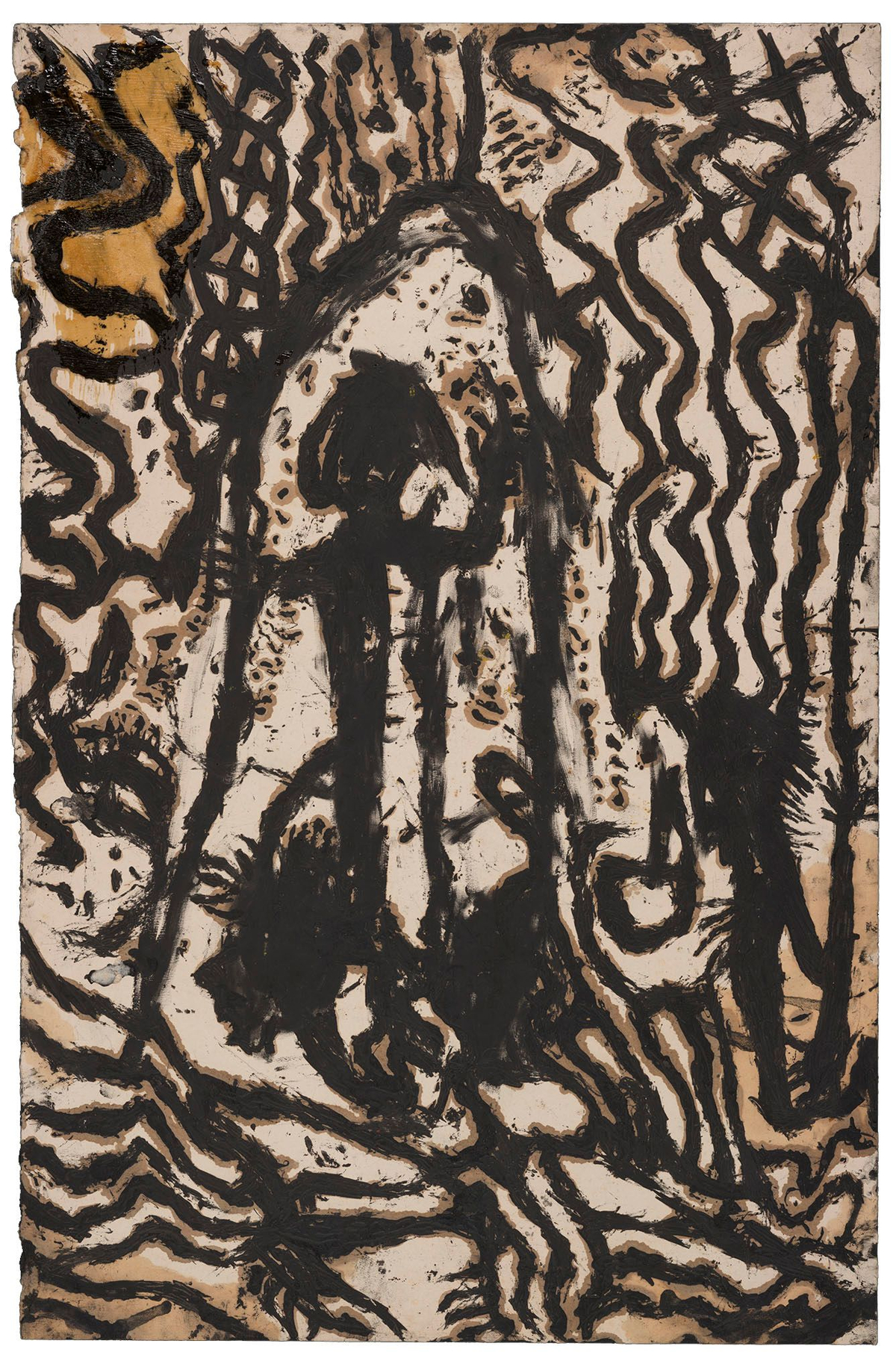
1871-1942, Switzerland
Louis Soutter (1871-1942) was born in Morges, in the canton of Vaud (Switzerland). A brilliant student, the young man began to study to be an engineer but soon dreamed instead of becoming a painter or a musician. He started taking drawing and painting classes in several Parisian studios, then moved to Brussels. It was while he was there that he met his future wife, an American violinist. The couple moved to the United States in 1897. The following year, Soutter, who had become a painting teacher, was appointed head of the fine arts department at Colorado College, but, confronted by marital problems in 1903, he decided to give up life in the USA and returned to Switzerland. Suffering from physical and psychological problems, he lived an itinerant life, which led, in 1923, to his premature admittance to a home for the elderly in Ballaigues, in the Jura vaudois.
In order to escape the sadness of his environment, Soutter took refuge in music and drawing, and the social and psychological rupture with his past life found expression in his graphic output. In his painted work, he made a complete break with the academic language of his youth and, using whatever materials available to him, he developed a new, personal, and poignant body of work. He used his fingers to paint compositions in gouache and oils, or in Indian ink on paper or in school exercise books.
Related to the author